
Fractures: Acute Pain and Injuries
Expert diagnosis and treatment for foot, ankle, and lower leg fractures to restore mobility and support full recovery.
What You Need To Know
Understanding your fracture is the first step toward accurate, targeted care.
Fracture Care at Foot Care Center
Ankle fractures are among the most common injuries treated by podiatrists. The term refers to breaks in the bones that form the ankle joint, primarily the lateral malleolus (outer ankle, fibula), medial malleolus (inner ankle, tibia), and posterior malleolus (back of tibia). A broken foot can happen from trauma, falls, sports injuries, or repetitive stress. The foot has 26 bones, any of which can break, and fractures may range from hairline cracks to severe breaks that displace the bone.
A stress fracture is a small crack in a bone caused by repetitive force. These injuries are common among athletes, runners, and people who spend long hours on their feet. The metatarsals, heel bone (calcaneus), and navicular are most commonly affected in the foot, while the tibia is most often affected in the lower leg. Stress fractures develop gradually and may go unnoticed until pain worsens.
Common symptoms include severe pain and tenderness, swelling and bruising, difficulty bearing weight, and pain that worsens with activity. Causes range from trauma and sports injuries to overuse, sudden increases in training, unsupportive footwear, biomechanical issues, and weakened bones from osteoporosis or vitamin deficiencies.
At the Foot Care Center, our podiatric specialists diagnose fractures through a detailed history, physical examination, and imaging studies including X-rays, MRI, CT scans, or bone scans for subtle fractures. If you suspect a fracture or have persistent pain, contact our team for prompt evaluation and a customized treatment plan.
Treatment, Recovery, and Rehabilitation
Treatment depends on the location, stability, and severity of the fracture. Stable fractures, such as many lateral malleolus or Danis-Weber Type A fractures, may be treated non-surgically with immobilization and physical therapy. Unstable fractures, like trimalleolar or Type C injuries, generally require surgical intervention to restore anatomy and preserve joint function.
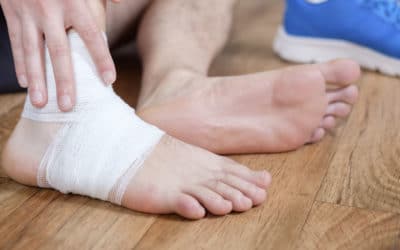
Non-surgical treatments include immobilization with a cast, splint, or walking boot; rest, ice, compression, and elevation (RICE); anti-inflammatory medications; crutches to reduce weight-bearing; orthotics for long-term support; nutrition support including vitamin D and calcium; and gradual return to weight-bearing as the bone heals.
When fractures are severe or displaced, surgery may be required. Options include internal fixation with screws, plates, or rods, realignment of fractured bones, and bone grafting in severe cases. Surgery is rarely required for stress fractures, but in cases of nonunion or repeated fractures, internal fixation may be recommended.
Non-surgical, stable fractures often heal in 6 to 8 weeks with immobilization followed by rehab. Surgical cases such as trimalleolar or pilon fractures involve longer recovery. Physical therapy focuses on restoring range of motion, strength, and proprioception, with a gradual return to normal activities. Our team monitors your progress closely to minimize risks like chronic pain, malunion, or arthritis and to help you return to your normal lifestyle safely.
Fracture Care Near You in MT and WY
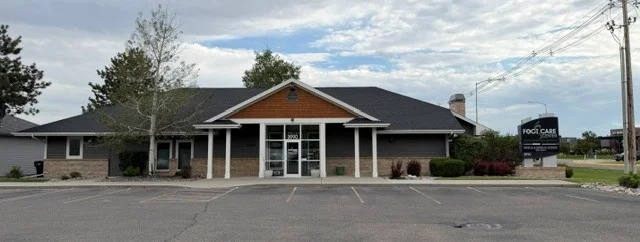
Find a Foot Care Center location in Billings, MT, for expert fracture care.
If you’re dealing with a fracture, don’t wait to get the care you need.
Our team is ready to help you heal and get back on your feet with confidence.