
Wounds, Ulcers & Limb Preservation
A foot wound that won’t close is easier to fix now than it is after weeks of waiting. Our team gets ahead of it before infection sets in.
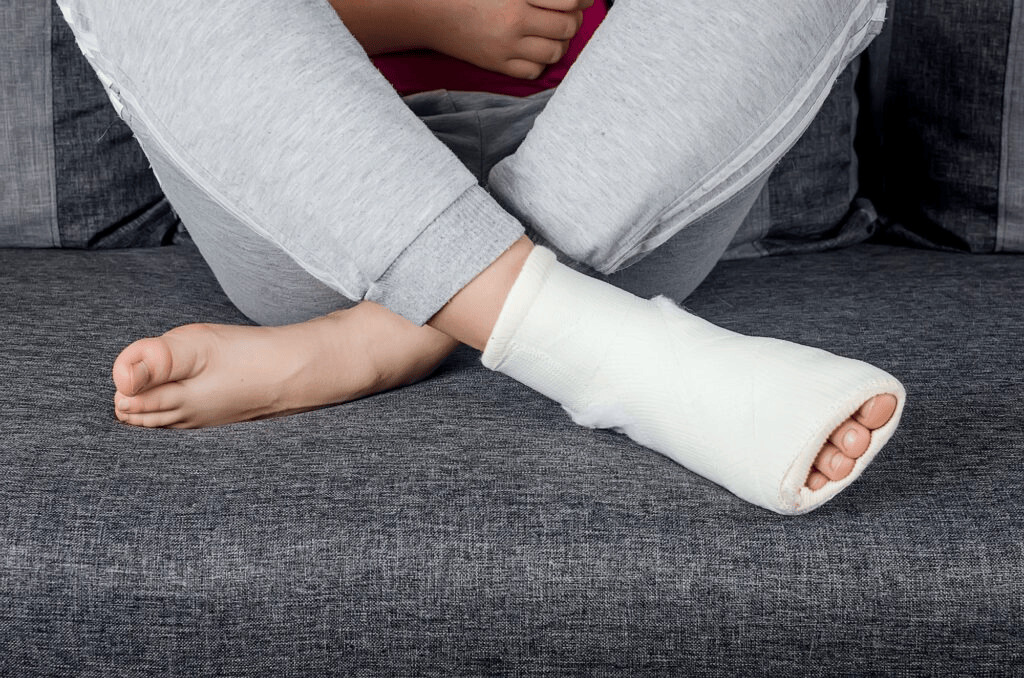
What You Need To Know
A wound that isn’t healing on schedule usually has a cause underneath it that needs to be addressed directly.
Why a Slow-Healing Wound Needs a Closer Look
Most cuts and scrapes on the foot heal within a couple of weeks without much thought. When one doesn’t, it’s rarely just bad luck. For patients across Billings, the most common causes we see behind a stalled wound include:
– Diabetic ulcers forming on pressure points, often without much pain – Poor circulation slowing healing around the ankle or lower leg – A surgical site or old injury that has reopened – Pressure sores from a boot, brace, or extended time off the foot – Any wound still open after two weeks with no clear improvement
Ranch and ag work take a toll on feet that a lot of patients don’t think about until something’s already gone wrong. Long days in work boots, repeated friction, and minor punctures from fencing or equipment can all turn into wounds that don’t get noticed early, especially in feet that are already dealing with reduced circulation or nerve changes from diabetes.
For patients managing diabetes, reduced sensation means a wound can go unnoticed until infection is already involved. We build a habit of daily foot checks into every visit so problems get caught early.
For older adults, thinner skin and slower circulation mean a wound that looks minor today can look very different in a week. It’s part of why we don’t recommend waiting to see if it improves on its own.
Because access to advanced wound care isn’t always close by in this region, we prioritize getting patients evaluated quickly rather than routing them elsewhere for problems we can manage right here.
What Treatment for Wounds and Ulcers Looks Like
In this region, we see a fair number of wounds that have already progressed further than they needed to, which is why we screen for bone involvement earlier than most.
First, the wound itself: – Measuring depth and drainage, checking for infection – Testing circulation and sensation around the area – Debridement to clear dead or infected tissue
Standard wound care: – Dressings matched to drainage level and tissue type – Offloading boots or custom padding to reduce pressure – Antibiotics when infection is confirmed
Ruling out osteomyelitis: – Imaging to check whether infection has reached the bone – Extended antibiotic therapy or surgical intervention if it has – Close monitoring so a bone infection doesn’t spread further
Once it’s healed: – Custom orthotics or footwear to protect the area long-term – Ongoing diabetic foot exams to catch new pressure points early – Daily monitoring guidance for patients and caregivers
A wound that reaches the bone is a different, more serious problem than one that hasn’t — which is exactly why we check for it instead of assuming.
Related Services
Where We Treat Wounds and Ulcers
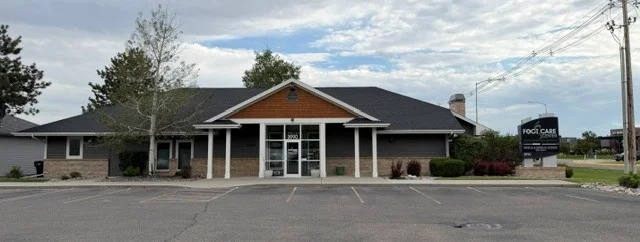
Find a Foot Care Center location near you in Billings for prompt wound evaluation.
Don’t Wait Out a Wound That Isn’t Healing
Early treatment is what keeps a slow-healing wound from turning into something more serious.