
Osteomyelitis and Bone Infections
Expert diagnosis and treatment for bone infections of the foot and ankle to protect your health and mobility.
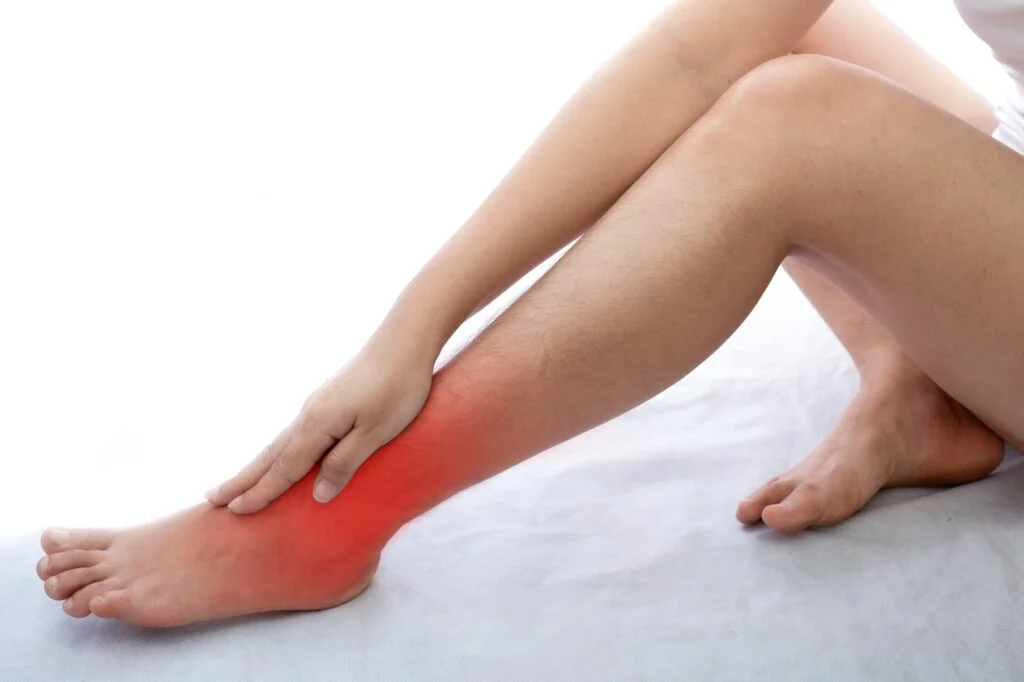
What You Need To Know
Learn how osteomyelitis develops, its warning signs, and how it is diagnosed.
Understanding Osteomyelitis
Osteomyelitis occurs when bacteria or fungi infect a bone. In the foot, this often happens following trauma, surgery, or untreated diabetic foot ulcers. Without proper treatment, the infection can spread and cause long-term damage to the bone and surrounding tissue.
Osteomyelitis is a serious bone infection that can affect the foot and ankle, often caused by bacteria spreading through the bloodstream or from an open wound. Common causes include open wounds or ulcers, especially in patients with diabetes, infections that spread from nearby tissues, bacteria traveling through the bloodstream, bone surgery or implanted medical devices, and complications from severe injuries or fractures.
Symptoms to watch for include persistent pain in the affected foot or ankle, swelling, redness, or warmth around the infection site, drainage of pus from an open sore or wound, fever, chills, and fatigue, and difficulty walking or bearing weight on the foot.
At the Foot Care Center, diagnosing osteomyelitis may include a physical examination of the affected area, blood tests to detect signs of infection, X-rays, MRI, or CT scans to assess bone damage, and a bone biopsy to identify the bacteria or fungi causing the infection. If you notice any of these warning signs, schedule an evaluation promptly so treatment can begin before the infection progresses.
Treatment and Why Early Care Matters
At the Foot Care Center, our podiatrists provide expert diagnosis and treatment for osteomyelitis to help patients in Billings, MT, manage infections, reduce pain, and restore foot health. Our podiatrists combine medical and surgical expertise to manage infections effectively and preserve foot health.
Non-surgical treatments may include intravenous (IV) antibiotics to eliminate infection, oral antibiotics for long-term management, wound care and debridement of infected tissue, and immobilization to reduce stress on the affected bone.
In advanced cases, surgery may be necessary to remove infected bone or tissue and restore function. Surgical options may include debridement to remove infected bone and tissue, drainage of abscesses around the bone, bone grafting or reconstruction if needed, and removal of foreign objects such as surgical implants.
Untreated osteomyelitis can lead to chronic infection that spreads to other areas of the body, permanent bone damage or deformity, loss of mobility or function in the foot or ankle, and in severe cases, amputation. Prompt attention is essential to prevent these complications.
The Foot Care Center offers specialized care in Billings, MT, to diagnose and treat this infection, helping patients regain comfort and mobility.
Locations Offering This Service
Find convenient care for osteomyelitis and bone infections at a location near you.


Don’t wait to treat a bone infection, early care protects your foot and your mobility.
We’re here to help you heal with expert care in Billings.