
Foot and Ankle Ulcers Wound Care
Comprehensive wound care and limb preservation to heal ulcers, improve circulation, and protect long-term foot health.
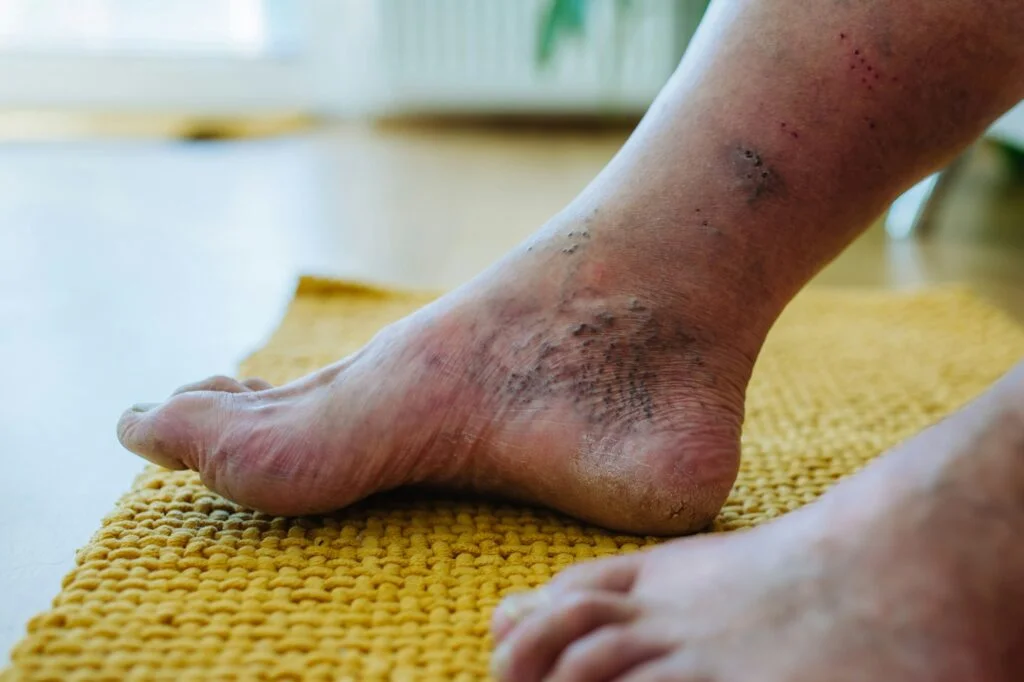
What You Need To Know
Understanding venous stasis and how it can lead to foot and ankle ulcers.
Understanding Foot and Ankle Ulcers
Venous stasis is a condition in which blood pools in the veins of the lower legs and feet due to poor circulation. This can lead to swelling, skin changes, discomfort, and in severe cases, ulcers or infections. Venous stasis occurs when the veins in the lower extremities cannot efficiently return blood to the heart, often due to damaged vein valves, prolonged inactivity, or chronic vein disease. The resulting blood pooling increases pressure in the veins, causing swelling, skin discoloration, and discomfort.
Common symptoms include swelling in the legs, ankles, and feet, especially at the end of the day, along with skin discoloration that is usually brownish or reddish. Patients may also notice itching, dryness, or eczema in affected areas, pain or heaviness in the legs, slow-healing sores or ulcers on the lower legs, and thickening or hardening of the skin over time.
Several factors can contribute to venous stasis. These include chronic venous insufficiency from damaged or weak vein valves, deep vein thrombosis or previous blood clots, prolonged sitting or standing that impairs blood flow, obesity, age-related vein weakening, and heart failure or other cardiovascular conditions.
Diagnosis typically includes a physical examination, review of medical history, and assessment of symptoms. Additional tests may include Doppler ultrasound to evaluate blood flow in the veins, venography, or blood tests to rule out clotting disorders. If you notice swelling, skin changes, or slow-healing ulcers, contact the Foot Care Center for evaluation and care.
Treatment and Complications to Know
At the Foot Care Center, we specialize in diagnosing and managing venous stasis. Our team provides personalized treatment plans, including lifestyle guidance, compression therapy, and medical interventions, to improve circulation, relieve symptoms, and prevent complications.
Lifestyle and conservative measures play an important role in managing the condition. These include elevating the legs to reduce swelling and improve circulation, wearing compression stockings to support veins, regular exercise to enhance blood flow, weight management, and avoiding prolonged sitting or standing.
Medical treatments may include medications to reduce swelling or improve circulation, topical treatments for skin changes or ulcers, sclerotherapy or minimally invasive vein procedures in more severe cases, and wound care for ulcers to prevent infection and promote healing.
Without treatment, venous stasis can lead to chronic swelling and discomfort, skin thickening and discoloration known as lipodermatosclerosis, venous ulcers that are difficult to heal, an increased risk of infections such as cellulitis, and reduced mobility and quality of life. Early diagnosis and consistent management are essential for maintaining leg and foot health, and our team is here to help you take the next step toward healing.
Find Foot and Ankle Ulcer Care Near You
Visit a Foot Care Center location for expert wound care and limb preservation services.
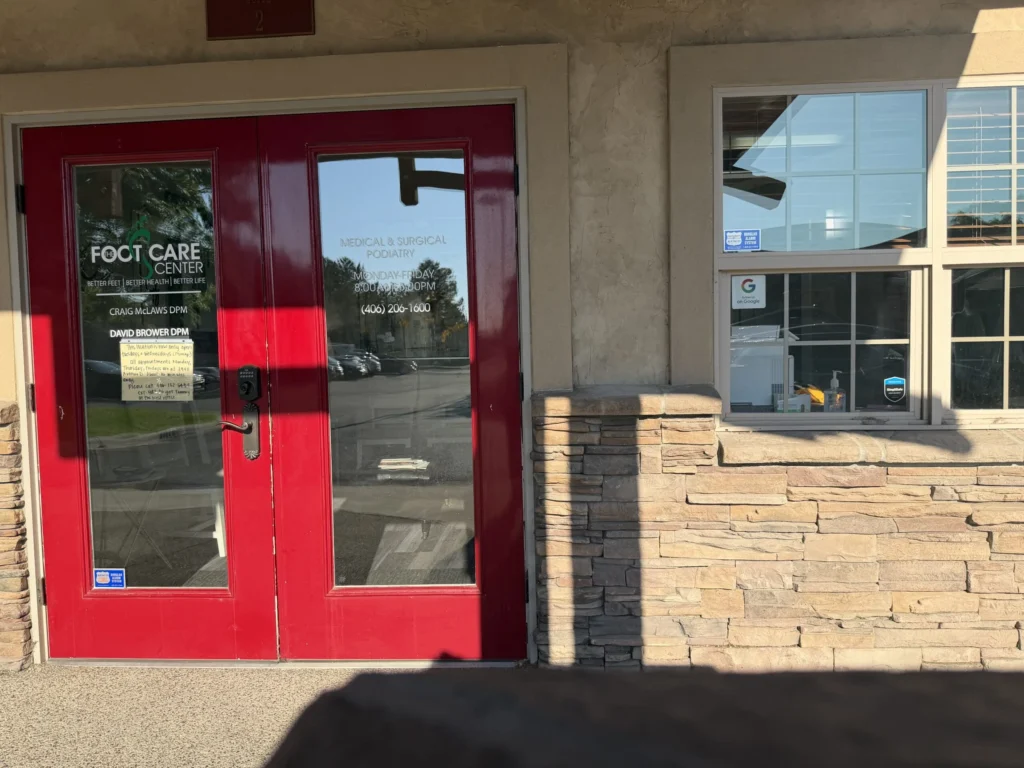
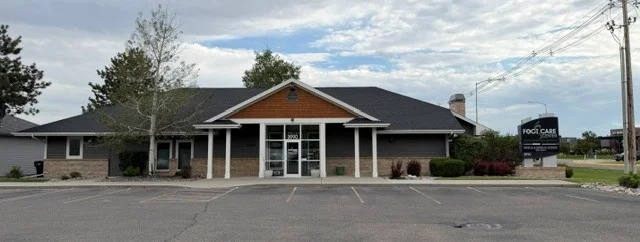
Don’t wait to get an ulcer or slow-healing wound evaluated by our team.
We’re here to help you heal comfortably and protect your long-term foot health.