
Hammertoe Treatments for Lasting Relief
Personalized non-surgical and surgical hammertoe care to relieve pain, correct deformity, and restore comfortable movement.
What You Need to Know
Understanding hammertoes and how our podiatrists approach evaluation and care.
Understanding Hammertoes and Your Care
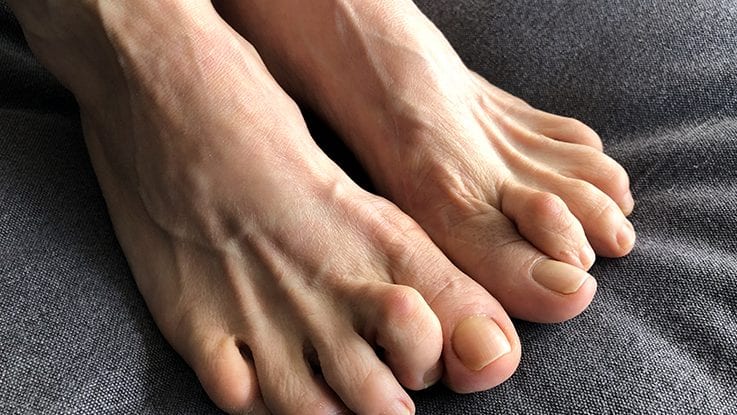
Hammertoes are toe deformities in which one or more toes are bent downward at the middle joint, causing discomfort, pain, and difficulty walking. They occur when the toe muscles and tendons become imbalanced, causing the middle joint of the toe to bend downward. This leads to friction against shoes, callus formation, and pain. Hammertoes can be flexible in early stages or rigid in advanced cases.
Common symptoms include toes bent downward at the middle joint, pain or tenderness when wearing shoes, and the development of corns or calluses on the top or tip of the toe. Patients may also notice swelling or redness in the affected joint, difficulty walking or maintaining balance, and stiffness in advanced cases.
Several factors can contribute to hammertoes, including a genetic predisposition or family history of foot deformities, wearing tight or ill-fitting shoes that crowd the toes, and imbalance of the muscles, tendons, or ligaments controlling toe motion. Injury or trauma to the toe and underlying conditions such as arthritis or diabetes can also play a role.
At the Foot Care Center, diagnosis may include a physical examination of the toe’s alignment and range of motion, X-rays to evaluate bone structure and joint deformities, assessment of gait and walking patterns, and evaluation for underlying conditions like arthritis or diabetes. If you notice toe pain, stiffness, or changes in toe shape, schedule an evaluation so our podiatrists can recommend the right treatment plan for you.
Treatment Options and Long-Term Outlook
The Foot Care Center provides comprehensive care for hammertoes, offering individualized treatment plans including both non-surgical and surgical options. Our podiatrists aim to relieve pain, correct deformities, and restore function for patients in Billings, MT.
Non-surgical treatments often serve as the first line of care. These may include wearing wider shoes or shoes with a soft toe box, custom orthotics to relieve pressure and improve alignment, padding and taping to reduce friction and protect corns, stretching and strengthening exercises for toe muscles, and pain management with anti-inflammatory medications.
When conservative care is insufficient, surgery may be recommended. Surgical options include tendon release or transfer to correct muscle imbalance, osteotomy to straighten the toe bone, joint fusion (arthrodesis) for rigid deformities, and excision arthroplasty to remove part of the joint causing pain.
Without treatment, hammertoes can lead to chronic pain and discomfort in the affected toes, corns, calluses, or open sores from friction, difficulty walking or fitting into shoes, and progression to rigid deformities requiring surgery. Early intervention can prevent hammertoes from worsening and maintain foot health. Visit the Foot Care Center for professional evaluation and effective treatment to preserve mobility and comfort.
Convenient Locations Near You
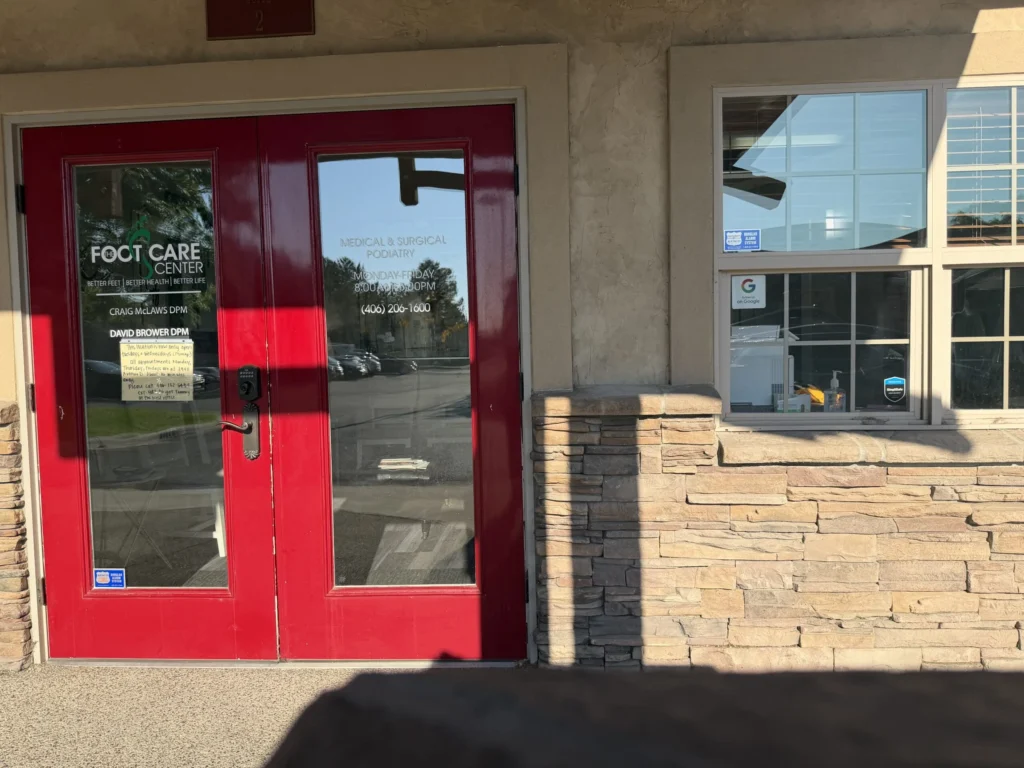
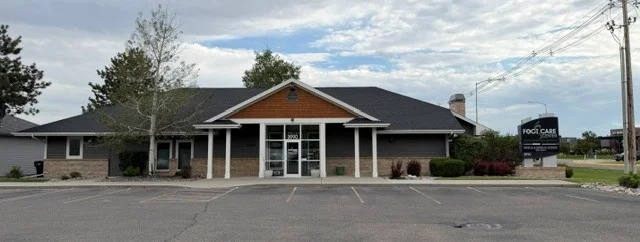
Find hammertoe care at the Foot Care Center location most convenient for you.
Don’t let hammertoe pain slow you down, relief is closer than you think
Schedule a visit today and we’ll help you get back to comfortable steps.