
Chronic Ankle Instability Care
Ongoing outer ankle pain and a sense of the ankle giving way can be evaluated and treated for lasting relief.

What You Need To Know
Understanding chronic ankle instability can help you make informed decisions about your care.
Understanding Chronic Ankle Instability
Chronic lateral ankle pain refers to ongoing discomfort along the outer (lateral) side of the ankle. This pain may stem from previous injuries, instability, or degenerative changes in the joint and surrounding tissues. Unlike acute injuries, which resolve in days or weeks, chronic ankle pain can last for months or even years without proper treatment.
Common symptoms include persistent pain on the outer side of the ankle, swelling that may worsen after activity, ankle instability or a sensation of the joint giving way, stiffness and reduced range of motion, tenderness over the peroneal tendons or ligaments, and difficulty walking on uneven surfaces.
Several factors can contribute to chronic ankle instability. Recurrent ankle sprains weaken ligaments and cause instability. Stretched or torn ligaments create a loose, unstable joint. Peroneal tendon tears or inflammation, arthritis, scar tissue from previous injuries, nerve entrapment, and fractures that did not heal properly can all lead to chronic pain.
At the Foot Care Center, diagnosis begins with a thorough medical history and physical exam. Diagnostic imaging may include X-rays to rule out fractures or arthritis, MRI scans to evaluate ligaments and soft tissues, CT scans for complex bone injuries, and ultrasound to assess tendon movement and inflammation. If you have ongoing ankle pain or repeated sprains, schedule an evaluation so we can identify the cause and build a treatment plan.
Treatment and Recovery Options
At the Foot Care Center, we specialize in diagnosing and treating the underlying causes of ankle pain to restore mobility, reduce discomfort, and prevent long-term complications. Most patients begin with conservative care tailored to their specific condition and activity level.
Conservative treatment may include rest, ice, compression, and elevation (RICE), ankle bracing or taping for support, physical therapy to strengthen the ankle muscles, custom orthotics to correct biomechanical issues, anti-inflammatory medications, and corticosteroid injections for pain and swelling.
If conservative measures fail, surgery may be necessary. Options include ligament repair or reconstruction to restore ankle stability, arthroscopic surgery to remove scar tissue or loose cartilage, tendon repair for torn peroneal tendons, and joint fusion or replacement in cases of advanced arthritis.
Recovery depends on the underlying cause and treatment approach. Conservative care may improve symptoms within weeks, while surgical recovery can take several months. Physical therapy plays a critical role in restoring strength, flexibility, and balance to prevent future ankle problems. With proper diagnosis and a personalized rehabilitation plan, patients can find long-term relief and return to an active lifestyle.
Foot Care Center Locations
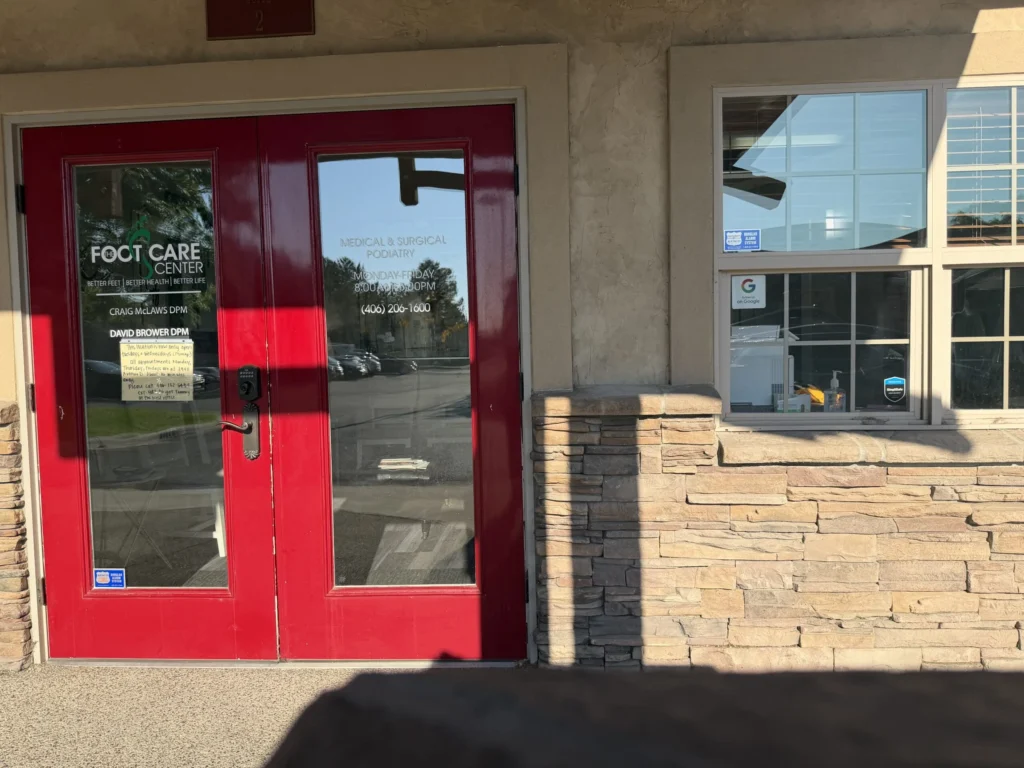
Find a Foot Care Center location near you for chronic ankle instability care.

Don’t let ongoing ankle pain hold you back from the activities you love.
Schedule a visit with our team and we’ll help you get back on stable ground.