High Arches Care at Foot Care Center
Relief for pes cavus with custom orthotics, supportive care, and surgical options when needed for lasting comfort.
What You Need To Know
Understanding pes cavus, its symptoms, and how our podiatrists can help.
Understanding High Arches (Pes Cavus)
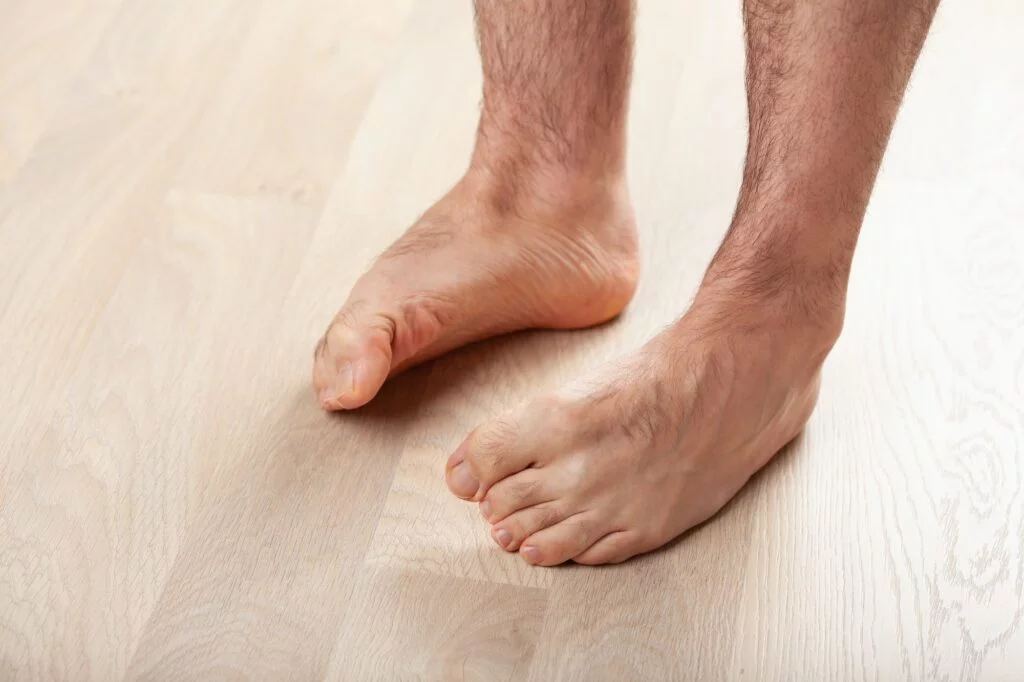
Pes cavus is a structural foot condition that causes an unusually high arch, even when standing. Unlike flat feet, which have little or no arch, pes cavus creates an exaggerated curve that can make weight distribution uneven. This often results in pain, instability, and an increased risk of ankle sprains.
High foot arch places excess stress on the ball and heel of the foot, leading to pain, instability, and difficulty with certain activities. Common causes include genetic foot structure, neurological disorders such as cerebral palsy, Charcot-Marie-Tooth disease, or spina bifida, previous foot or ankle trauma, and muscle imbalances or weakness.
Symptoms of high arches often include pain in the arch, ball, or heel of the foot, frequent ankle sprains due to instability, calluses on the ball, heel, or side of the foot, claw toes or hammertoes, difficulty finding properly fitting shoes, and foot fatigue or instability while walking.
At the Foot Care Center, our podiatrists use a thorough evaluation to diagnose pes cavus, which may include a physical examination of the foot and ankle, gait analysis to assess walking patterns, a neurological evaluation for underlying conditions, and X-rays to determine the severity of the arch. If you have persistent pain or instability caused by high arches, schedule a visit so we can build a personalized treatment plan.
Treatment Options and What Comes Next
Most patients with high arches respond well to conservative care. Non-surgical treatments include custom orthotics to provide proper arch support, supportive footwear designed for high arches, stretching and strengthening exercises, ankle braces to improve stability, pain management with anti-inflammatory medications, and padding or callus care for pressure points.
When conservative treatments do not provide relief, surgery may be considered. Surgical procedures can include tendon transfers, osteotomies (bone reshaping), or joint fusion to improve alignment and stability. The right approach depends on the severity of the deformity and any underlying neurological cause.
Leaving pes cavus untreated can lead to complications such as chronic foot pain and instability, recurrent ankle sprains, progressive deformities like hammertoes or claw toes, an increased risk of stress fractures, and difficulty with mobility and daily activities. Addressing symptoms early helps prevent these secondary problems.
The Foot Care Center provides expert care for high arches with both conservative and surgical solutions. Our podiatric team in Billings, MT, focuses on restoring comfort, preventing complications, and helping patients return to active lifestyles with a plan tailored to their needs.
Locations Offering High Arch Care
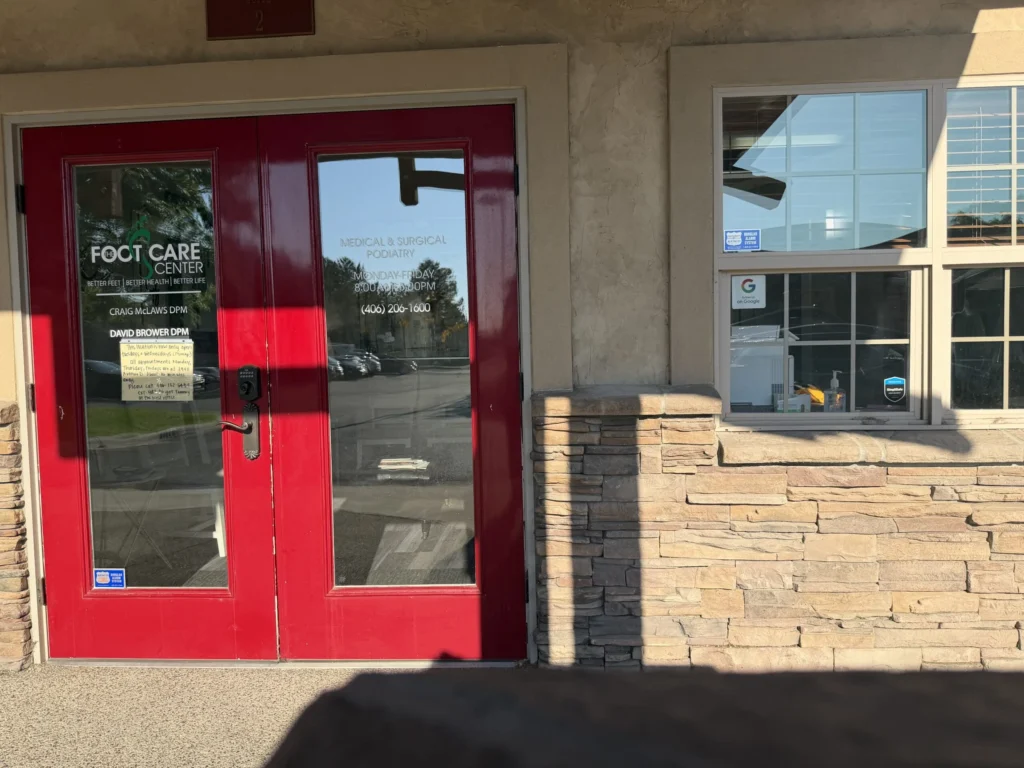
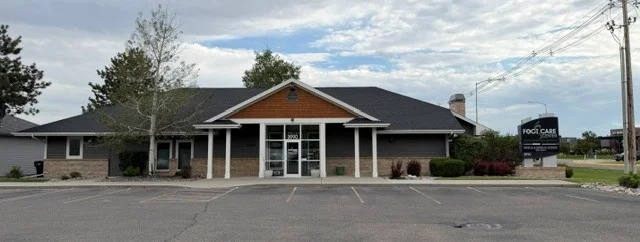
Find convenient care for high arches at our Billings, MT, offices.
Don’t let high arches slow you down, let’s get you back on comfortable feet.
We’re ready to help with a personalized plan built around your foot health.