
Flat Feet Care and Custom Orthotics
Expert evaluation and treatment for flat feet to reduce pain, improve alignment, and restore mobility.
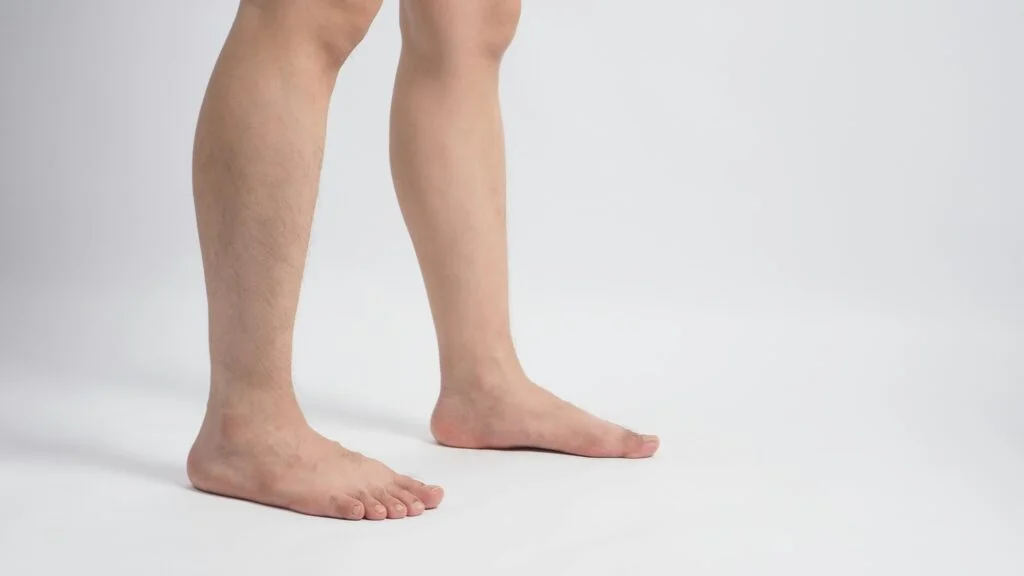
What You Need To Know
Learn how flat feet develop and how our podiatrists can help you find relief.
Understanding Flat Feet and Fallen Arches
Flat feet occur when the arches of the feet are lower than normal or absent. Also known as fallen arches, this condition happens when the arch of the foot collapses, causing the entire sole to touch the ground. Flat feet can be congenital or develop over time due to factors such as injury, arthritis, or obesity, and they can lead to foot fatigue, pain, and problems with balance or walking.
Common symptoms include pain or tenderness in the arch or heel, swelling along the inside of the ankle, and foot fatigue after standing or walking. Some patients have difficulty standing on tiptoes or walking long distances, and pain may radiate to the knees, hips, or lower back. Visible flattening of the arch is often the first sign patients notice.
Causes and risk factors for flat feet include genetic predisposition and family history, weak or overstretched tendons supporting the arch, injury or trauma to the foot or ankle, arthritis affecting the foot joints, obesity or increased body weight, and neurological conditions affecting muscle function.
At the Foot Care Center, evaluation typically includes a physical examination of foot structure and arches, observation of gait and walking patterns, imaging studies such as X-rays or MRI if needed, assessment of joint flexibility, alignment, and muscle function, and evaluation of associated conditions such as arthritis or tendon dysfunction. If you notice arch pain, swelling, or changes in how you walk, schedule an appointment for a full evaluation.
Treatment Options for Flat Feet
Our podiatrists create individualized treatment plans to relieve pain, restore function, and improve quality of life for patients in Billings, MT. Most cases of flat feet respond well to conservative care, and surgery is reserved for severe cases or when non-surgical treatments fail.
Non-surgical treatments include custom orthotics to support the arch and improve alignment, supportive footwear with proper arch support, stretching and strengthening exercises for the foot and ankle, physical therapy to improve balance and reduce strain, and weight management and activity modifications to reduce stress on the feet.
When conservative care is not enough, surgical options may be considered. These include tendon transfer to restore arch support, osteotomy to realign bones, joint fusion in cases with arthritis or deformity, and minimally invasive techniques to reduce recovery time.
Leaving flat feet untreated can lead to chronic pain in the feet, knees, hips, or lower back, increased risk of tendonitis or plantar fasciitis, joint degeneration and arthritis over time, and difficulty walking or participating in physical activities. Early intervention and proper management of flat feet can prevent these complications and improve foot and ankle health. Visit the Foot Care Center for professional evaluation and treatment to maintain mobility and comfort.
Locations Offering Flat Feet Care
Find convenient care for flat feet at a Foot Care Center location near you.
Don’t let flat feet slow you down, schedule your evaluation today.
We’re here to help you walk comfortably again with a plan that fits your needs.