
Shin Splints Care and Prevention
Relief for lower leg pain from overuse, with personalized treatment plans to help you get back to activity safely.
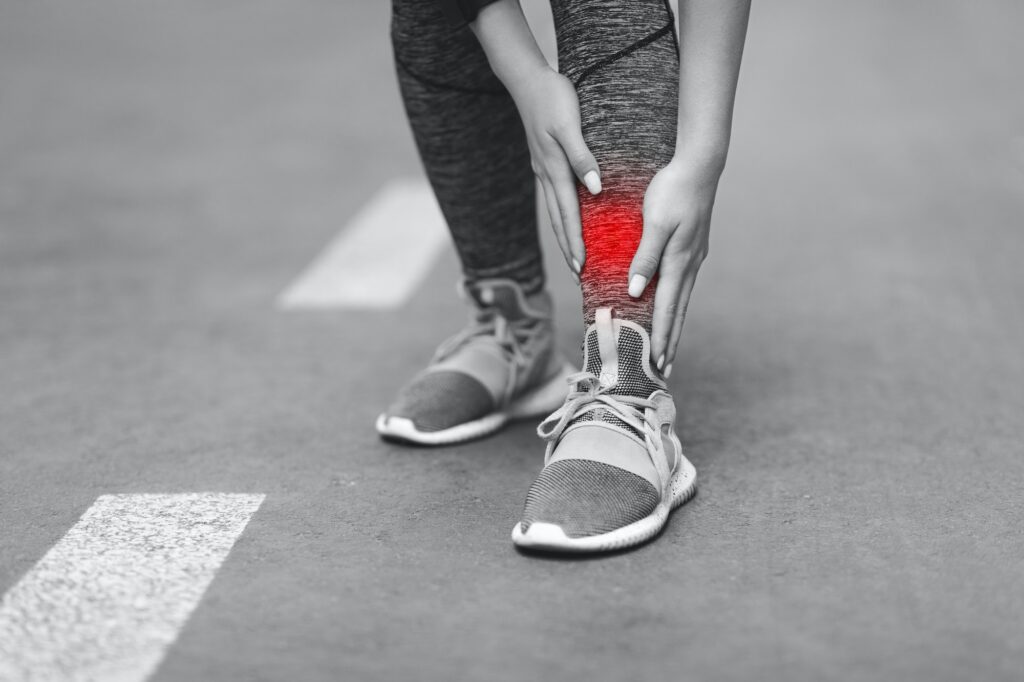
What You Need To Know
Learn what causes shin splints and how we help you recover and stay active.
Understanding Shin Splints
Shin splints, medically known as medial tibial stress syndrome, are a common cause of lower leg pain in athletes, runners, and people who suddenly increase their physical activity. This condition occurs when the muscles, tendons, and bone tissue around the tibia (shinbone) become inflamed due to overuse or repetitive stress.
Shin splints refer to pain felt along the inner edge of the shinbone. The discomfort usually develops after physical activity and may improve with rest. While common among runners, shin splints can also affect dancers, military recruits, and anyone who engages in high-impact exercise or sudden activity changes.
Common symptoms include a dull, aching pain along the shinbone, tenderness or soreness in the lower leg, swelling, and pain that worsens with activity and improves with rest. If left untreated, the discomfort may progress to sharp or persistent pain.
Shin splints are often caused by overuse from repetitive running, jumping, or marching, sudden increases in training intensity, flat feet or high arches that alter gait mechanics, improper or worn-out footwear, running on hard or uneven surfaces, and muscle weakness or tightness in the calves.
Our specialists diagnose shin splints based on medical history, physical examination, and a review of activity patterns. In some cases, imaging tests like X-rays or MRI may be ordered to rule out stress fractures or other causes of shin pain. If lower leg pain is limiting your activity, schedule an evaluation so we can identify the cause and start the right treatment.
Treatment, Recovery, and Prevention
At the Foot Care Center, we specialize in diagnosing and treating shin splints to help patients recover quickly and prevent future episodes. Our team provides personalized treatment plans to address the root causes of shin splints. Whether you are a recreational runner, athlete, or simply struggling with persistent leg pain, we use proven therapies to relieve discomfort, restore mobility, and prevent recurrence.
Non-surgical treatments include rest and activity modification, ice therapy to reduce inflammation, anti-inflammatory medications, supportive footwear or orthotics, calf stretches and strengthening exercises, physical therapy for gait correction and muscle balance, and gradual return-to-activity programs.
Surgery for shin splints is rare and typically only considered in severe, chronic cases that do not respond to conservative treatments. Most patients recover fully with non-surgical care.
Without treatment, shin splints can lead to chronic leg pain, stress fractures of the tibia, reduced ability to perform physical activity, and long-term changes in gait or biomechanics. Addressing symptoms early helps avoid these complications and shortens recovery time.
Shin splints can be painful and disruptive, but with proper diagnosis and treatment, most patients recover fully and return to the activities they enjoy.
Locations Offering Shin Splints Care
Find a Foot Care Center location near you for shin splints evaluation and treatment.


Don’t let shin pain keep you off your feet, let’s get you back to moving comfortably.
We’re here to help you find relief and prevent shin splints from coming back.