
Preventive Screenings for Foot Care
Routine foot screenings help you catch small concerns early, protect mobility, and avoid future podiatric problems.

What You Need To Know
A quick overview of preventive foot screenings and why routine checks matter.
Preventive Foot and Ankle Screenings
Preventive foot care screenings are routine visits designed to check the overall health of your feet, ankles, and lower legs before small issues turn into painful or limiting problems. During a screening, your provider looks at skin and nail condition, circulation, sensation, joint motion, alignment, and the way you walk, so any changes can be identified and addressed early.
Many foot problems develop gradually and can be easy to overlook. Common signs that warrant a closer look include persistent aches, numbness or tingling, changes in skin color or temperature, slow-healing sores, thickened or discolored nails, calluses that keep returning, and pain that lingers after activity. A screening gives you a dedicated time to raise these concerns.
Risk factors that make regular screenings especially important include diabetes, poor circulation, neuropathy, arthritis, a history of foot or ankle injury, being on your feet for long hours, and simply aging. Family history and footwear habits can also play a role in how your feet hold up over time.
You should schedule a screening if you have any of the conditions listed above, if you notice new or ongoing foot or ankle symptoms, or if it has simply been a while since your feet were evaluated. The entire team at The Foot Care Center is dedicated to treating your foot, ankle, and lower leg ailments and to providing you with education to better avoid future podiatric problems, so you can walk out of your visit with a clear plan for your foot health.
Non-Opioid Pain Treatment Options
In a country plagued by the opioid crisis, the race is on to find novel solutions for managing pain. One in five Americans experience some sort of chronic pain. If you started taking prescription opioids to manage chronic pain in your foot or ankle, then you will need new pain relief options if and when you cut back or stop taking opioid drugs.
Acupuncture involves inserting extremely fine needles into the skin at specific points on the body, which may relieve pain by releasing endorphins, the body’s natural painkilling chemicals. Biofeedback helps people take control of their own body responses, including pain. Used occasionally, corticosteroid injections can relieve pain and inflammation caused by arthritis, sciatica, and other conditions. Assistive devices such as splints, braces, canes, crutches, walkers, and shoe orthotics support painful joints and relieve pressure on irritated nerves.
Physical therapy helps restore your ability to move and walk, while occupational therapy improves your ability to perform daily activities. Therapeutic massage may relax painful muscles and ease stress. TENS uses a mild electrical current to block pain signals, and iontophoresis drives medications into painful areas. Ultrasound and cold laser therapy may reduce inflammation and promote healing. Your provider can help you decide which combination fits your needs.
Locations Offering Preventive Screenings
Find a convenient Foot Care Center location near you for your next foot screening.
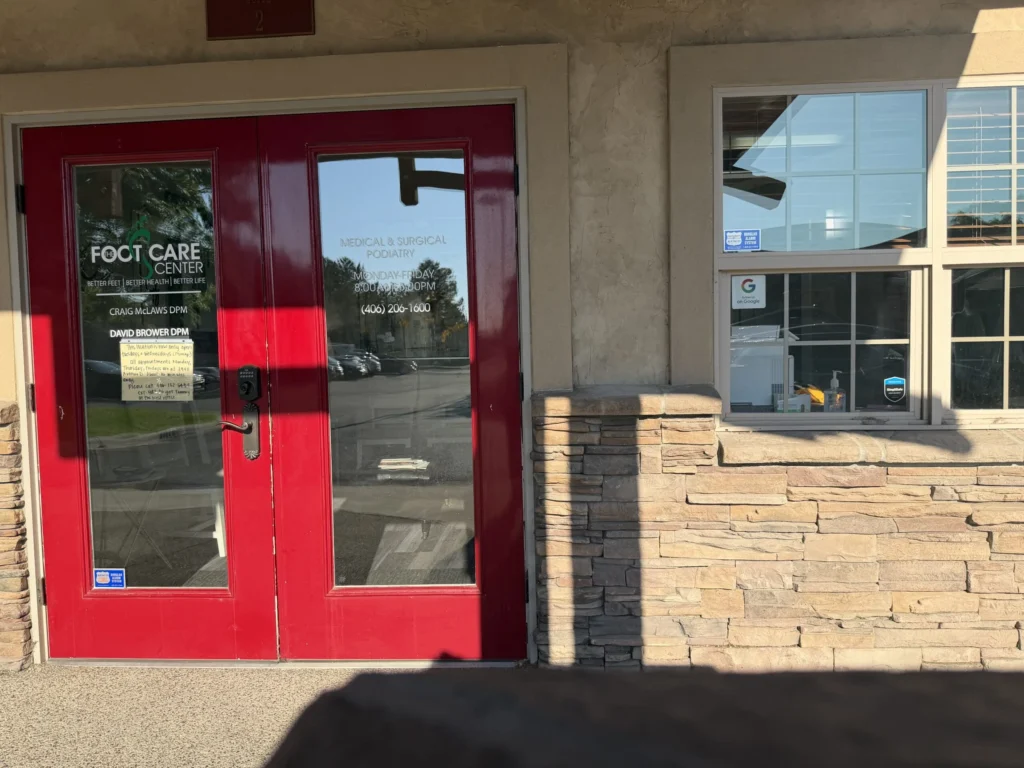

Don’t wait for foot pain to slow you down, book your preventive screening today.
We’re here to help you stay ahead of foot problems with care that fits you.