
Congenital Foot Deformities Care
Expert treatment for tarsal coalition and other congenital foot conditions to relieve pain and restore mobility.

What You Need To Know
Understanding tarsal coalition, its symptoms, and how we diagnose and treat it.
Tarsal Coalition and Pediatric Foot Care
Tarsal coalition occurs when bones in the back of the foot (tarsal bones) are joined by bone, cartilage, or fibrous tissue. This abnormal connection limits movement in the affected joints and may lead to stiffness, flatfoot, or frequent ankle sprains.
Tarsal coalition is a condition where two or more bones in the foot are abnormally connected, often leading to pain, stiffness, and flatfoot. It is most commonly diagnosed in adolescents and young adults but can also affect adults.
Common symptoms include pain in the foot or ankle, especially after activity, stiffness and limited range of motion, frequent ankle sprains, development of flatfoot, and difficulty walking on uneven surfaces. The condition is most often congenital, present from birth due to genetic factors that affect bone development. Less commonly, it can be acquired from trauma, infection, or arthritis.
At the Foot Care Center, diagnosis may include a physical examination to evaluate foot movement and arch structure, X-rays to identify bone connections, and CT scans or MRI for detailed imaging of soft tissue or cartilage coalitions. If your child experiences persistent foot pain, recurrent ankle sprains, or a visibly flat arch, we encourage you to schedule an evaluation so we can determine the cause and recommend the right course of care.
Treatment Options and Long-Term Outlook
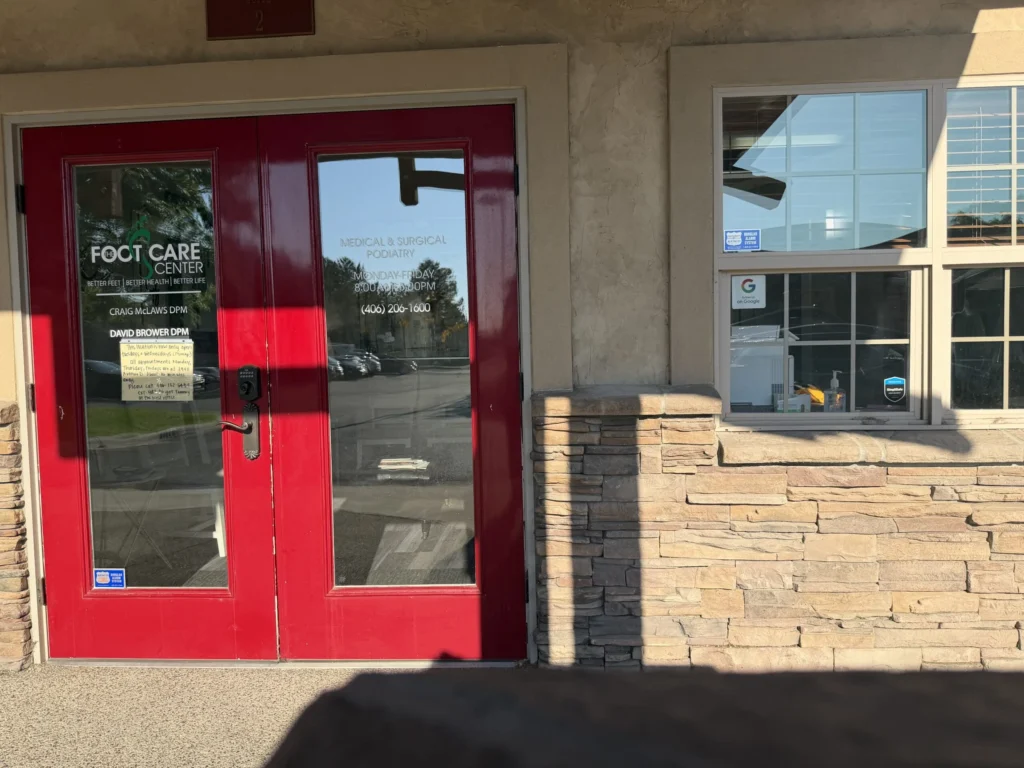
The Foot Care Center offers treatment options for tarsal coalition, from conservative management to surgical correction. Our podiatric team helps patients in Billings, MT, find relief from pain and return to their normal activities.
Non-surgical treatments include rest and activity modification, immobilization with a cast or walking boot, orthotics to support foot alignment, physical therapy to improve strength and flexibility, and anti-inflammatory medications or steroid injections. Many patients find meaningful relief through these conservative measures alone.
If conservative treatments do not relieve symptoms, surgery may be necessary. Options include resection of the coalition (removal of abnormal tissue between bones) and joint fusion (arthrodesis) in severe cases to stabilize the foot.
Without treatment, tarsal coalition can lead to chronic foot and ankle pain, progressive flatfoot deformity, frequent ankle sprains, and the development of arthritis in the affected joints. Addressing the condition early helps prevent these complications and supports healthy foot development.
Tarsal coalition can significantly impact mobility if left untreated. The Foot Care Center in Billings, MT, provides personalized care to address your symptoms and restore healthy foot function.
Locations Offering Pediatric Foot Care
Find convenient care for congenital foot deformities in Billings, MT.

Concerned about your child’s foot pain? Let’s find answers together.
We’ll evaluate the cause and build a treatment plan that fits your child.