
Corns and Calluses Care for Your Feet
Relieve painful thickened skin and address the pressure points causing corns and calluses on your feet.
Understanding Corns and Calluses
Learn how thickened skin forms, when it becomes a concern, and how we treat it.
Care for Corns and Calluses
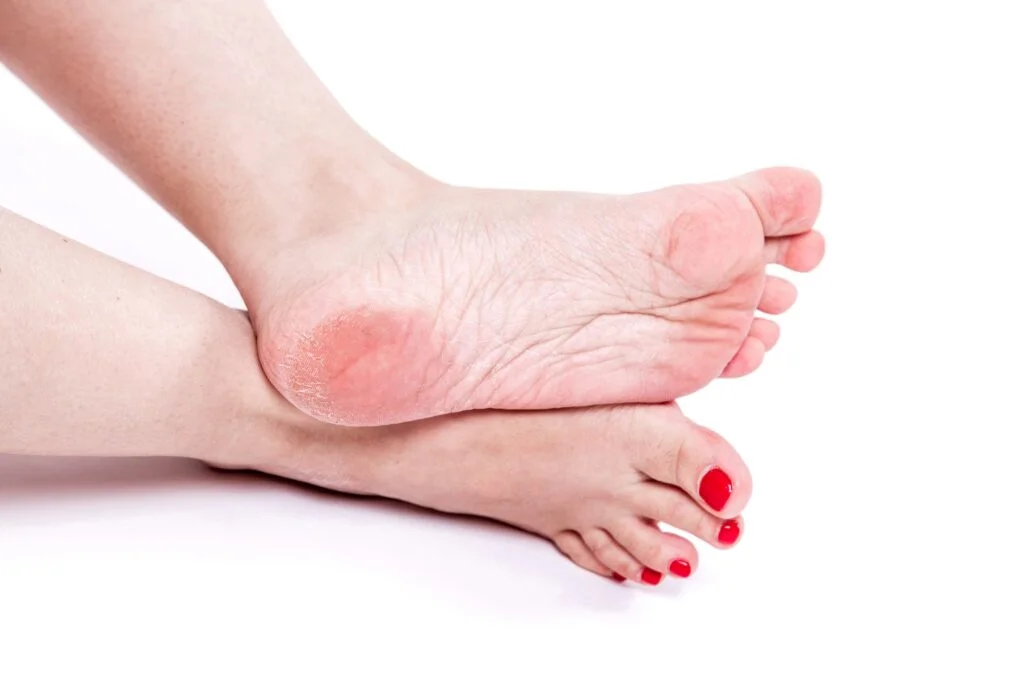
A callus forms when the skin thickens as a protective response to pressure or friction. While usually painless at first, calluses can become painful, crack, or even lead to infection if not treated. They are different from corns, which are smaller and often have a central core. Heel calluses are thickened areas of skin on the bottom or back of the heel that develop due to repeated friction or pressure.
Common symptoms include thickened, rough skin on the heel or foot, yellowish or hardened areas of skin, and discomfort or pain when standing or walking. Some patients also notice cracks in the skin that may bleed, along with redness or irritation around the affected area.
Several factors can contribute to corns and calluses. Improper or ill-fitting footwear that rubs against the skin, excessive walking, running, or standing for long periods, and high-impact sports or activities are frequent causes. Abnormal foot mechanics such as flat feet or high arches also play a role, and underlying conditions like diabetes or peripheral neuropathy can increase risk.
Diagnosis is typically straightforward and includes a physical examination of the affected area. At the Foot Care Center, we also assess for underlying biomechanical issues causing pressure points, signs of infection or inflammation, and risk factors such as diabetes or neuropathy. If you are noticing painful, cracked, or worsening skin on your feet, schedule an evaluation with our podiatrists so we can identify the cause and start the right treatment.
Treatment and Prevention Options
At the Foot Care Center, our podiatrists specialize in treating corns and calluses, relieving discomfort, and preventing further complications. Most patients respond well to conservative care, and treatment is tailored to the underlying cause of the thickened skin.
Non-surgical treatments include padding or orthotics to redistribute pressure and reduce friction, regular debridement to professionally remove thickened skin, and moisturizing creams to soften the skin and prevent cracking. We also recommend footwear adjustments, such as shoes with proper fit and cushioning, and activity modifications that reduce high-impact stress until the callus improves.
Surgery is rarely needed but may be considered if a callus is caused by an underlying bony prominence or severe biomechanical issue. In these cases, surgical options aim to correct the pressure points and prevent recurrence.
Prevention is just as important as treatment. Wearing properly fitted shoes with cushioning, using protective pads or orthotics as recommended, maintaining regular foot care and moisturizing, and avoiding excessive pressure from high-impact activities without proper support can all help. Regular podiatric checkups are especially important for high-risk patients, including those with diabetes or neuropathy. With consistent care and follow-up, most patients can keep their feet comfortable and prevent corns and calluses from returning.
Find Corn and Callus Care Near You
Visit a Foot Care Center location for expert evaluation and treatment of corns and calluses.
Don’t let painful corns and calluses slow you down any longer
We’re here to help you get back to comfortable, pain-free steps.