
Cracked Heels Treatment and Relief
Expert care for painful heel fissures to restore healthy, comfortable skin and prevent infection or recurrence.
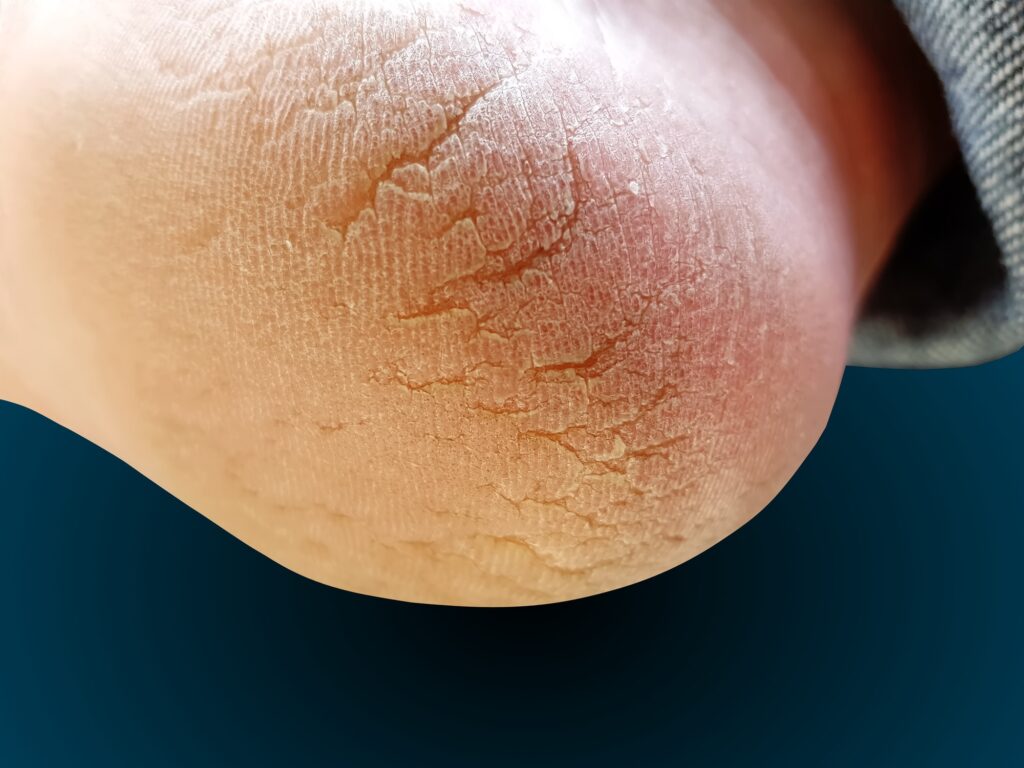
Understanding Cracked Heels
Learn what causes heel fissures and how our podiatrists treat them.
Cracked Heels: What Patients Should Know
Heel fissures, also known as cracked heels, are splits or cracks in the skin on the back or bottom of the heel. Heel fissures occur when the skin becomes dry, thickened, and loses its elasticity, leading to painful cracks. They can range from superficial, minor cracks to deep fissures that may bleed or become infected. Heel fissures are more common in people with dry skin, prolonged standing, or underlying foot conditions.
Common symptoms include visible cracks or splits in the heel skin, dry, thickened, or rough skin, pain or discomfort when walking or standing, bleeding or discharge from deep cracks, and redness, inflammation, or signs of infection in severe cases.
Several factors contribute to heel fissures, including dry or dehydrated skin due to environmental factors or aging, excessive pressure on the heels from obesity or prolonged standing, improper footwear that lacks support or cushioning, skin conditions such as eczema or psoriasis, diabetes or peripheral neuropathy that reduce skin integrity, and callus formation that leads to cracking under pressure.
Diagnosis is typically clinical, based on visual examination and patient history. At the Foot Care Center, our podiatrists also assess for underlying calluses or thickened skin contributing to cracks, foot mechanics or pressure points from gait abnormalities, risk factors such as diabetes or neuropathy, and signs of infection that require immediate attention. If you notice deep cracks, bleeding, or signs of infection, schedule an evaluation with our team to begin treatment promptly.
Treatment, Prevention, and Long-Term Care
At the Foot Care Center, our podiatrists specialize in treating heel fissures to relieve pain, prevent infection, and restore healthy skin. Non-surgical treatments include debridement to professionally remove thickened skin and reduce pressure on cracks, moisturizing and emollient creams to hydrate skin and restore elasticity, protective padding to relieve pressure on affected areas, footwear adjustments with cushioned heels and proper support, topical medications such as antibiotic creams when cracks are infected, and activity modifications to reduce prolonged standing or walking until healed.
In rare cases where deep fissures do not respond to conservative care, minor surgical procedures or advanced wound care may be recommended to promote healing and prevent recurrence.
When heel fissures are left untreated, complications can develop, including persistent pain and difficulty walking, infection that can spread to deeper tissues, bleeding and inflammation, and chronic thickening and hardening of heel skin. Early care helps you avoid these outcomes.
Prevention plays an important role in long-term foot health. Daily moisturizing and skin hydration, wearing supportive and cushioned footwear, regular removal of calluses and thickened skin, avoiding prolonged standing on hard surfaces, and managing underlying conditions such as diabetes or eczema can all help protect your heels. With professional care at the Foot Care Center, you can restore healthy skin and prevent complications, keeping your feet pain-free and functional.
Find Cracked Heel Care Near You
Visit a Foot Care Center location near you for expert treatment of heel fissures.

Don’t let cracked heels keep you from walking comfortably any longer
We’re here to help you find relief and get back on your feet.