
Sports Medicine and Sports Injuries
Expert care for athletes and active patients dealing with foot, ankle, and calf injuries that limit performance.

What You Need To Know
Understanding common sports injuries like metatarsalgia and tennis leg.
Sports Injury Care for Active Patients
Sports injuries can affect anyone from weekend athletes to competitive players. Two common conditions we treat at the Foot Care Center are metatarsalgia and tennis leg. Both can sideline you from activity, but with proper diagnosis and care, most patients recover fully and return to the sports they love.
Metatarsalgia refers to inflammation and pain in the forefoot, particularly under the heads of the metatarsal bones. This condition is common in athletes, people who wear tight shoes, and individuals with structural foot issues. Symptoms include sharp, aching, or burning pain in the ball of the foot, pain that worsens when standing or running, a sensation of having a pebble inside the shoe, and sometimes numbness or tingling in the toes.
Tennis leg occurs when the medial head of the gastrocnemius muscle (part of the calf) partially tears, often accompanied by damage to surrounding tissues such as the plantaris tendon or small blood vessels. Despite its name, tennis leg can affect anyone, not just tennis players. It is most common in middle-aged athletes and is often felt as a sudden pop in the calf, followed by swelling, bruising, and difficulty walking.
Both conditions are caused by repetitive stress, sudden movements, or biomechanical issues. If you notice persistent forefoot pain or experience a sudden calf injury, contact the Foot Care Center for a thorough evaluation and personalized treatment plan.
Diagnosis, Treatment, and Recovery
At the Foot Care Center, diagnosis of metatarsalgia may involve a physical examination of the forefoot and metatarsal area, imaging tests such as X-rays to rule out fractures, evaluation of gait and walking patterns, and a review of footwear and activity levels. For tennis leg, our specialists assess calf strength, tenderness, and mobility, and may use ultrasound or MRI to confirm the extent of the tear and rule out other injuries such as Achilles tendon rupture or deep vein thrombosis (DVT).
Non-surgical treatments for metatarsalgia include wearing supportive shoes with cushioned soles, custom orthotics or metatarsal pads to reduce pressure, activity modification, ice therapy and anti-inflammatory medications, stretching and strengthening exercises, and weight management to reduce forefoot pressure. In rare and severe cases, surgery may be required to realign metatarsal bones or correct related deformities.
Tennis leg is typically treated with rest, ice, compression, and elevation to control swelling. Physical therapy plays a key role in restoring mobility, with gentle stretching, strengthening, and a guided return to sports. Surgery is rarely required, but may be considered in severe cases with significant tearing.
Without treatment, both conditions can lead to chronic pain, recurrent injuries, and reduced athletic performance. Early intervention at the Foot Care Center helps patients recover fully, minimize complications, and safely return to the activities they enjoy.
Sports Injury Care Near You
Visit our Billings office for expert sports injury treatment.
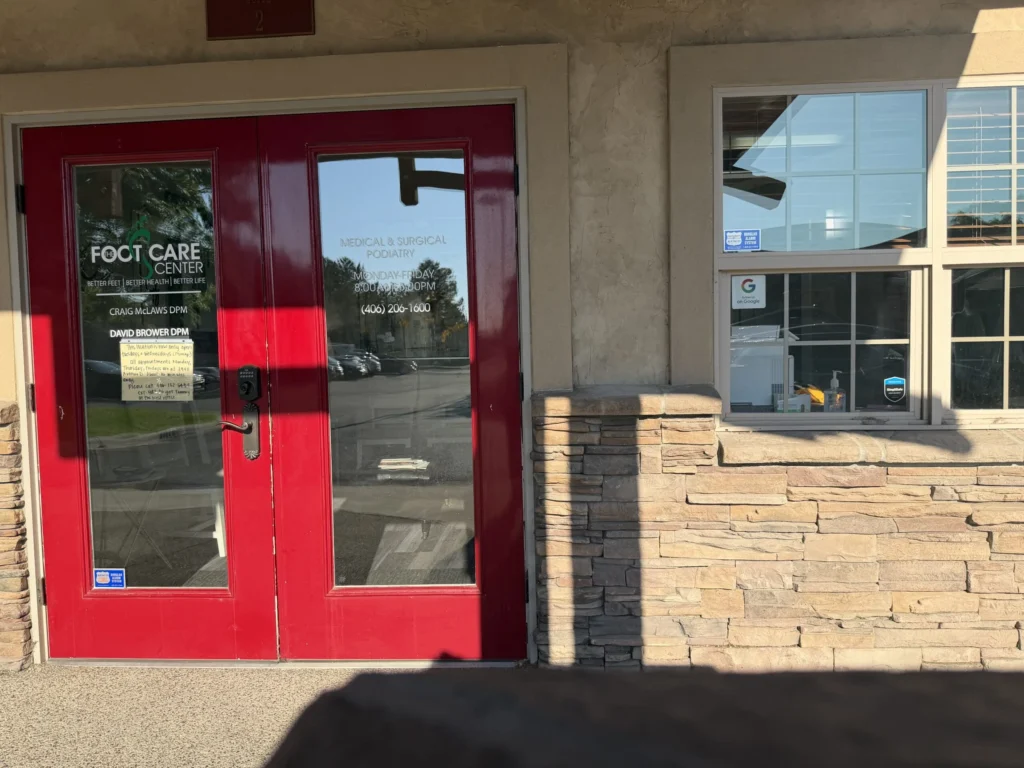

Don’t let a sports injury keep you off your feet, schedule your visit today.
We’re here to help you recover quickly and get back to the activities you love.