
Acute Pain and Injuries: Sesamoiditis
Relief from big toe joint pain and inflammation so you can walk, work, and stay active without discomfort.
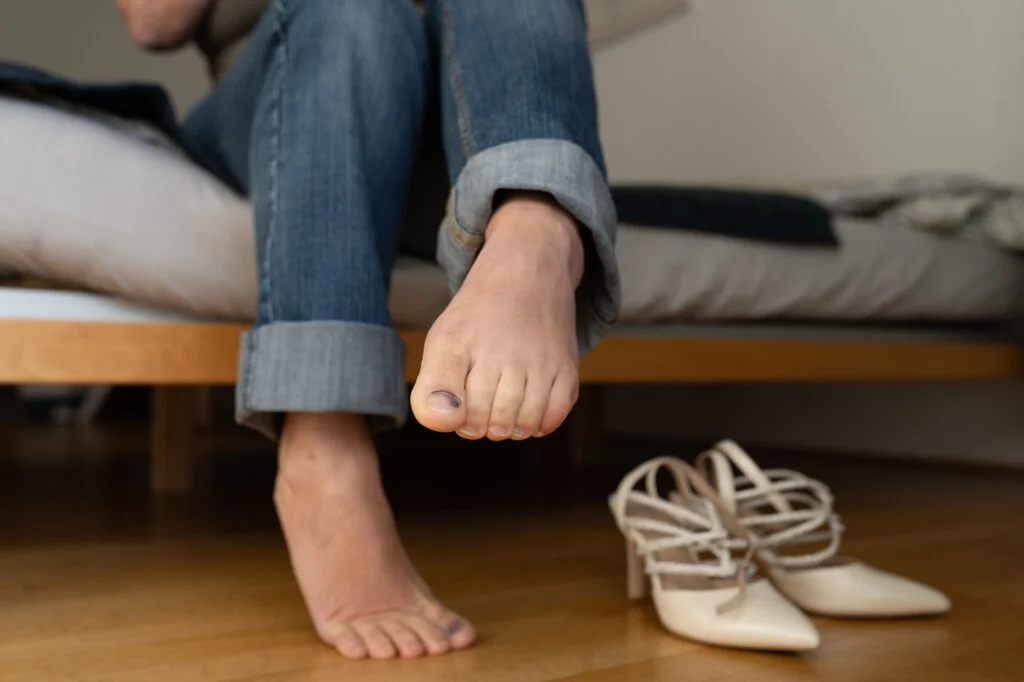
What You Need To Know
Understanding sesamoiditis, its symptoms, and how it is diagnosed and treated.
Sesamoiditis Diagnosis and Care
Sesamoiditis is an overuse injury that causes irritation and inflammation of the tendons surrounding the sesamoid bones under the big toe joint. Unlike other bones, sesamoids are embedded within tendons and can be particularly vulnerable to stress. These small bones act like pulleys to help the tendons move smoothly, but they can become inflamed from overuse or injury.
Common symptoms include pain under the big toe joint, especially during activity, swelling and tenderness in the ball of the foot, difficulty bending or straightening the big toe, and pain that worsens when wearing thin-soled shoes or high heels. Discomfort typically increases gradually rather than appearing as sudden pain.
Sesamoiditis often develops from repetitive stress related to sports such as running, basketball, or dance. Wearing high-heeled or unsupportive shoes, a sudden increase in activity or training, having high-arched or flat feet, and direct trauma to the ball of the foot can also contribute to the condition.
If left untreated, sesamoiditis can lead to chronic foot pain, difficulty participating in sports and daily activities, arthritis in the big toe joint, and an increased risk of sesamoid fractures. At the Foot Care Center, diagnosis may involve a physical examination to assess tenderness and range of motion, X-rays to rule out fractures, and MRI or bone scans if inflammation or stress fractures are suspected. If you are experiencing ongoing pain in the ball of your foot, we encourage you to schedule an evaluation so treatment can begin promptly.
Treatment Options for Sesamoiditis
At the Foot Care Center, we provide comprehensive diagnosis and treatment for sesamoiditis in Billings, MT, to relieve pain and restore mobility. Our team develops personalized treatment plans to relieve pain, prevent recurrence, and restore mobility for patients throughout the region.
Most cases of sesamoiditis respond well to non-surgical care. Conservative treatments include rest and activity modification, ice therapy to reduce swelling and pain, and anti-inflammatory medications. Cushioned pads or orthotic devices can relieve pressure on the forefoot, while taping or strapping the big toe offers additional support. For more severe cases, immobilization with a walking boot may be recommended to allow the tendons and bones to heal.
When conservative treatments fail to bring relief, surgical options may be considered. This can include partial removal of the affected sesamoid bone. Surgery is usually reserved for persistent, severe cases that have not improved with other approaches.
The Foot Care Center in Billings, MT, offers diagnostic tools and treatment options to help you recover and return to your normal activities. If you have been dealing with pain under your big toe joint, our providers can guide you through the right treatment plan and support you at every stage of recovery.
Related Services
Where to Find Care Near You
Visit one of our convenient locations for sesamoiditis care and forefoot pain relief.
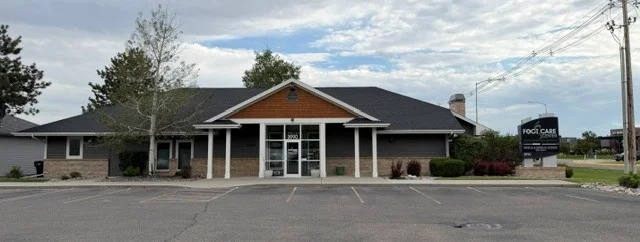
Don’t let big toe joint pain keep you off your feet any longer.
We’re here to help you find relief and get back to what you love.